
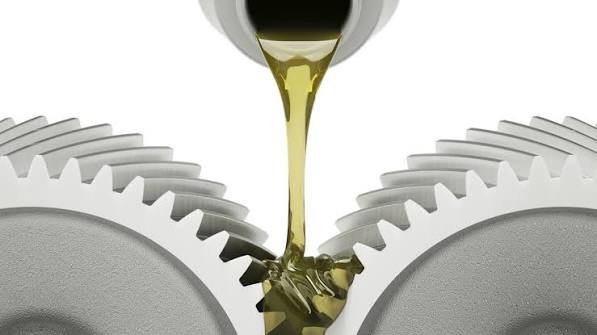
Lubrication maintenance is one of those behind-the-scenes tasks that doesn’t get much attention—until something goes wrong. A seized bearing, an overheating motor, or a production line that grinds to a halt can quickly remind you why this routine work actually matters.
The good news? The tools and accessories available today make proper lubrication easier, cleaner, and more effective than ever. Whether you’re maintaining industrial machinery, pneumatic tools, or automotive equipment, having the right setup transforms lubrication from a messy chore into a streamlined process.
At its most basic level, lubrication does three essential things: it reduces friction between moving parts, dissipates heat, and protects surfaces from wear . When done right, the benefits ripple through the entire operation.
Extended Equipment Life
Well-lubricated components experience less wear and fail later in their service life . This means fewer replacements, lower capital expenditure, and more predictable maintenance schedules. Some estimates suggest proper lubrication can extend equipment life by as much as 20% .
Reduced Downtime
Unplanned downtime is expensive—potentially costing thousands of dollars per hour depending on the operation . A well-designed lubrication program reduces the risk of sudden breakdowns caused by overheating, frictional wear, or lubricant degradation . Regular lubrication can reduce downtime by up to 30% .
Energy Efficiency
Friction consumes energy. Research suggests approximately 20% of worldwide energy consumption goes toward overcoming friction . Proper lubrication reduces that friction, which translates directly into lower power consumption and reduced operating costs.
Lower Maintenance Costs
Studies indicate that 15 to 40% of maintenance expenses are caused by incorrect lubrication . Using the right lubricant, in the right amount, at the right time prevents many common failures before they happen.
The real challenge isn’t understanding why lubrication matters—it’s actually doing it consistently, especially when grease fittings are tucked into awkward, hard-to-reach places. That’s where the right accessories come in.
A standard grease gun coupler can’t reach every fitting. Adapter kits solve this problem by providing specialized attachments for different situations.
A typical 7-piece kit includes :
These kits are designed to work with most standard grease guns and come organized in blow-molded storage cases or heavy-duty roll-up sleeves to keep components secure and easy to find.
For applications requiring pinpoint accuracy, needle nozzles are invaluable. They allow grease to be injected directly into narrow, confined spaces that standard nozzles can’t access . Needle nozzle kits typically include multiple lengths and configurations—straight, angled, and rubber-tipped—so you can choose the right tool for each specific fitting . Compact lengths make them easy to handle in tight engine bays or cramped machinery compartments .
Some tools require specialized lubrication. Pneumatic impact wrenches, for instance, need grease and oil formulated specifically for their mechanisms . Care kits bundle the right lubricants with a mini grease gun, providing everything needed to maintain pneumatic tools in one package .
A typical impact wrench care kit includes :
These kits are designed for tools with composite (non-metallic) housings and help extend tool life while reducing maintenance costs . Regular lubrication is especially important for tools used in high-cycle applications like tire service .
Bearings require special attention. Hand-operated bearing grease packers help repack fresh grease into bearings while removing old, contaminated grease . They reduce waste and mess while eliminating the need to thoroughly clean bearings before repacking.
Precision matters. Digital flow meters monitor the amount of grease discharged from grease guns, ensuring bearings and other components receive exactly the right amount of lubricant . This prevents over-lubrication (which can cause heat buildup and seal damage) and under-lubrication (which leads to rapid wear).
Accessories and tool kits are valuable, but they’re only part of the equation. A truly effective lubrication program depends on three additional elements.
The Right Lubricant
Choosing the correct product is foundational. Machines pushed for higher output may operate beyond the limits of certain lubricants in terms of temperature or pressure tolerance . Regular oil analysis helps identify early signs of lubricant degradation or component wear before they become catastrophic .
The Right Timing
Consistency matters. Maintenance frequency should be based on actual tool usage—high-volume operations may require more frequent service . Automated and metered lubrication systems deliver the exact amount of lubricant to the precise location at the required interval .
The Right Training
A lack of practical lubrication knowledge is a common barrier. Maintenance personnel who understand how lubricants work and how to apply them correctly are far less likely to skip hard-to-reach points or use the wrong product .
Lubrication maintenance isn’t glamorous. But it’s one of the highest-return activities you can invest in. The tools available today—from simple needle nozzles to comprehensive care kits—make the job easier and more effective than ever.
The cost of doing it poorly is high: premature equipment failure, unplanned downtime, wasted energy, and inflated maintenance expenses. The cost of doing it right is relatively small. When you consider that a single hour of unplanned downtime can cost thousands of dollars, investing in proper lubrication tools and practices is one of the smartest decisions you can make.